
Choosing the Right Flypack Sizing: 1-Wide, 2-Wide, and 3-Wide Systems Compared
Selecting a flypack configuration is a decision about physical footprint, crew ergonomics, transport logistics, and the technical capacity your production needs to support on day one, not just an equipment-list exercise. Get the sizing wrong, and you are either cramming three operators into a console designed for one, or shipping a system that will not clear the freight elevator at your venue. This comparison outlines 1-wide, 2-wide, and 3-wide flypack configurations: the tradeoffs, the use cases, and the questions you need to answer before committing to a chassis width.
Understanding Flypack Sizing and Rack-Width Standards
When engineers and integrators talk about rack-width standards, they are referring to how many standard 19-inch rack bays sit side-by-side within the integrated console case. A 1-wide system occupies a single rack bay's worth of horizontal space. A 2-wide doubles that, and a 3-wide triples it. Space defines workflow. That horizontal dimension dictates everything downstream: how much equipment can be mounted across the console, how many monitors can be positioned in the operator's sightline, and critically, how many crew members can work at the console simultaneously without stepping on each other.
The horizontal footprint of a flypack does more than determine how much equipment fits; it shapes the entire ergonomic reality of the workspace. A wider console allows for larger multi-viewer displays, dedicated preview and program monitors for each operator position, and physical separation between disciplines (switching, audio, and replay) so that each operator is not reaching across someone else's workspace during a critical moment in a live broadcast. Narrower systems consolidate those functions into a single operator's reach, which is a deliberate design choice rather than a compromise, provided the production actually calls for it.
Modern high-density broadcast gear has quietly changed what is achievable within a compact signal routing architecture. IP-based routing, software-defined switching, and tightly integrated I/O panels mean a 1-wide system today can carry capabilities that would have required a much larger chassis a decade ago. That evolution makes flypack sizing less about raw equipment volume and more about workflow design: specifically, how many people need simultaneous access to the system and what the logistical constraints of your deployment environment look like.
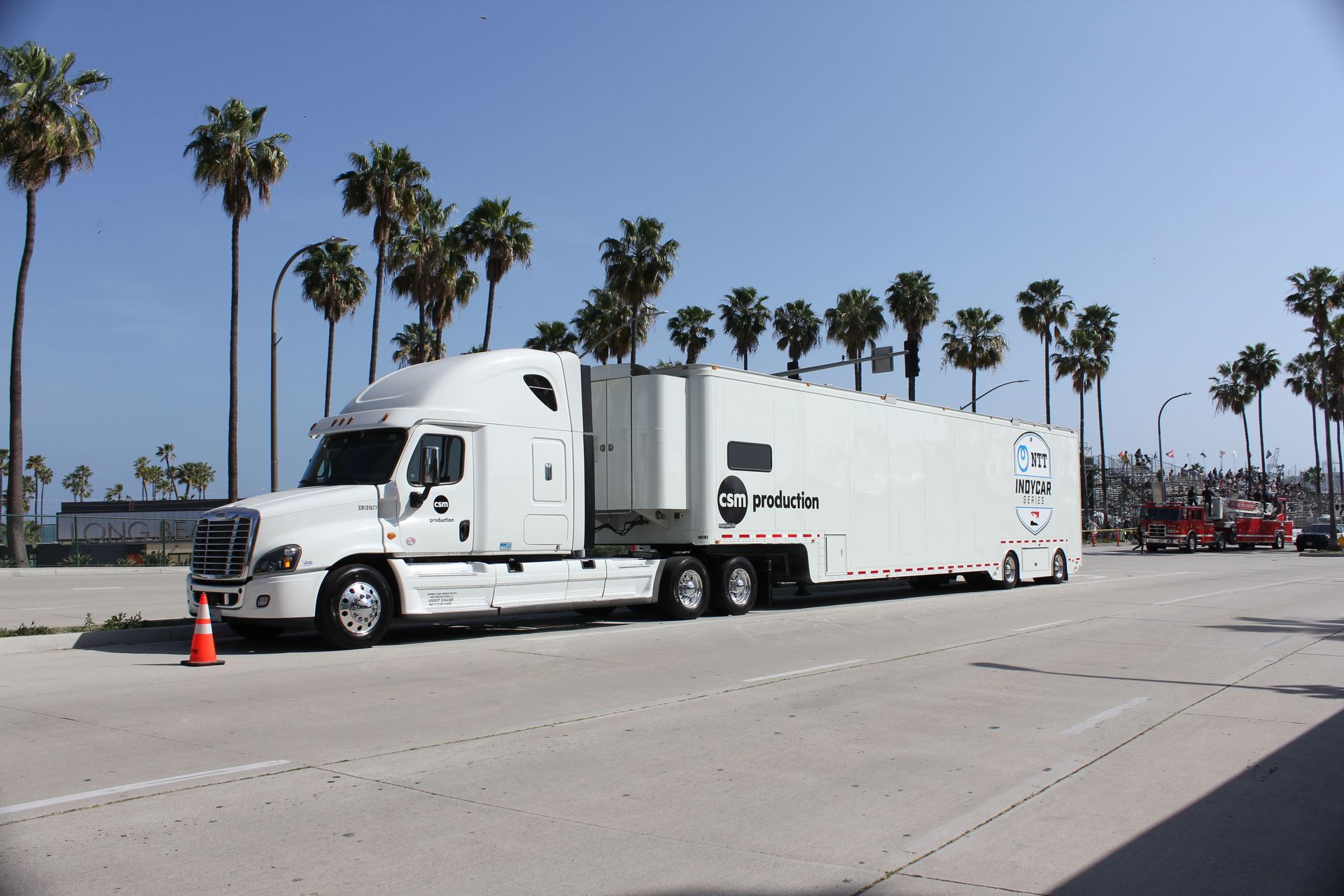
Transport logistics deserve as much weight in this decision as technical capability. A larger chassis requires more cargo volume, and certain venue configurations, such as narrow service corridors, freight elevators with tight interior dimensions, and loading docks with height restrictions, can make a physically larger system genuinely difficult to move without specialized handling. There are no universal published dimensions for road cases across the industry, and any integrator who quotes you a specific weight or footprint without referencing the actual build spec is guessing. The honest engineering answer is that the physical chassis must be matched to the logistical reality of your deployment environment, not just to the equipment list inside it.
The One-Wide Flypack for Maximum Portability and Lean Crews
A 1-wide flypack is a purpose-designed architecture for productions where maximum portability is a genuine operational requirement, not a stripped-down version of a larger system. It is built around a specific operational premise: one highly skilled operator managing switching, audio, and streaming from a single, compact console. Corporate webcasts, house of worship streaming, remote news gathering, and single-camera interview setups all share a common logistical profile: tight spaces, fast turnarounds, and crews where one person needs to own the entire technical chain.
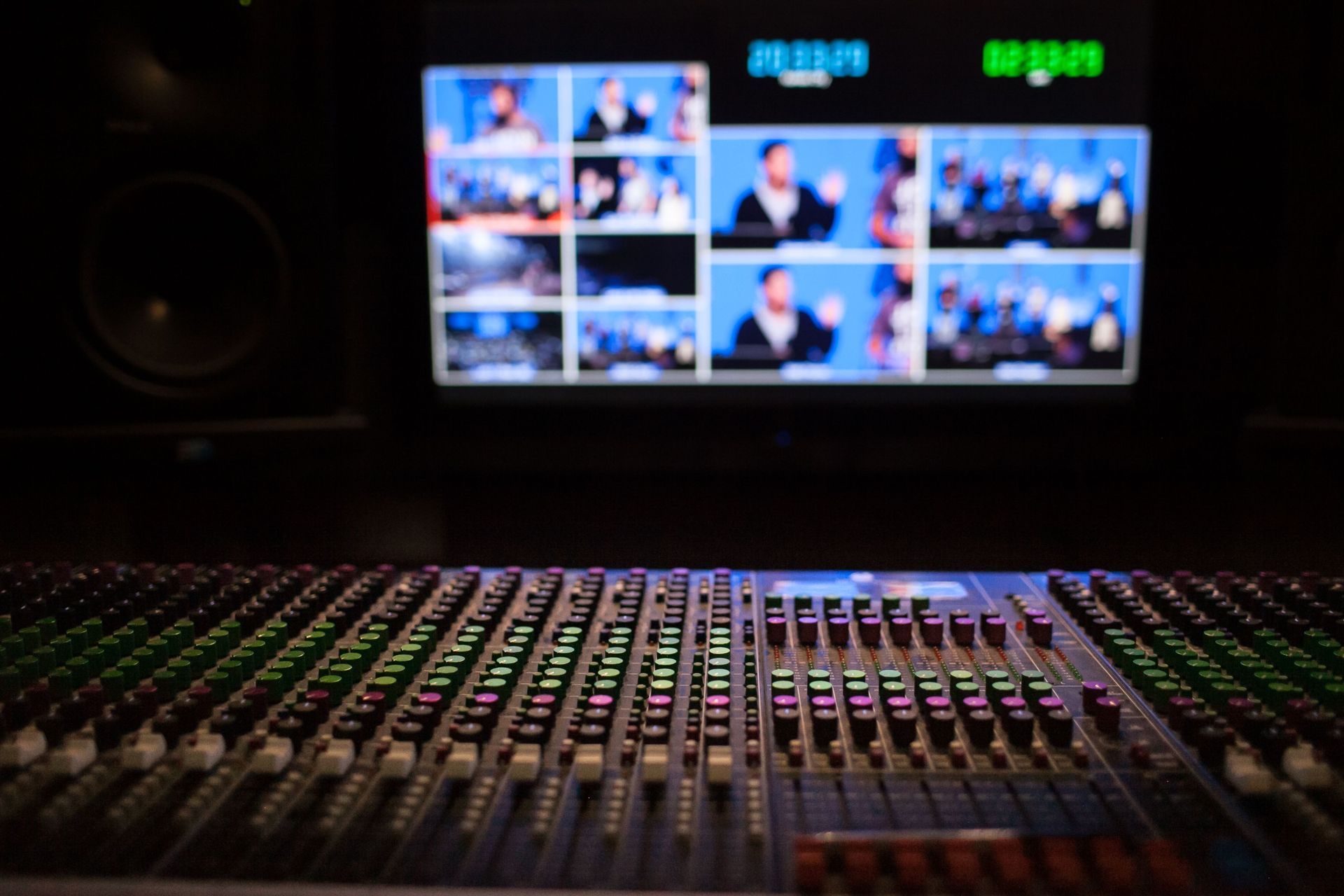
The switcher at the core of a well-engineered 1-wide system is a compact, high-density unit capable of handling the multi-camera inputs a standard professional production requires. The exact input ceiling depends on the specific switcher model and how the I/O panel is configured, but the design intent is clear: every control surface, every signal path, and every monitoring output is within arm's reach of a single seated operator. That constraint is also the system's strength. When one person can reach everything without moving, setup is faster, troubleshooting is faster, and the cognitive load of managing the production stays manageable for single-operator productions under pressure.
Rapid deployment is where the 1-wide format earns its place in a serious production toolkit. Rolling into a venue, connecting a handful of signal paths, and being on-air within a tight schedule window is a realistic expectation for a well-built 1-wide system. That speed comes from the pre-integrated nature of a custom flypack: power distribution, signal routing, and cooling are engineered into the chassis, not assembled on-site from individual components.
- Ultra-compact footprint: Fits easily in the back of an SUV or small van, making it viable for productions where a cargo vehicle is not in the budget or the logistics.
- Single-operator efficiency: Every critical control surface is positioned within reach of one seated operator, eliminating the need to stand or reposition during a live broadcast.
- Rapid setup and strike: Pre-integrated cabling and power distribution mean the system is ready to go far faster than a comparable piecemeal build assembled on-site.
- Standard door access: The chassis rolls through any standard single doorway or office corridor without requiring advance coordination with venue operations.
Ready to spec a 1-wide system for your next mobile production? TV Pro Gear's engineering team works directly with production managers and technical directors to assess requirements and design a custom flypack that fits your workflow. Call (818) 246-7100 to start the conversation.
The Two-Wide Flypack as the Multi-Camera Workhorse
For professional multi-camera live events where a single operator cannot realistically own every discipline, the 2-wide flypack represents what most experienced integrators call the industry sweet spot. It delivers expanded technical capability and dual-operator ergonomics without crossing into the transport and logistics complexity of a 3-wide system. This balance of more capability and manageable logistics is why the 2-wide configuration is so common across a wide range of production contexts.
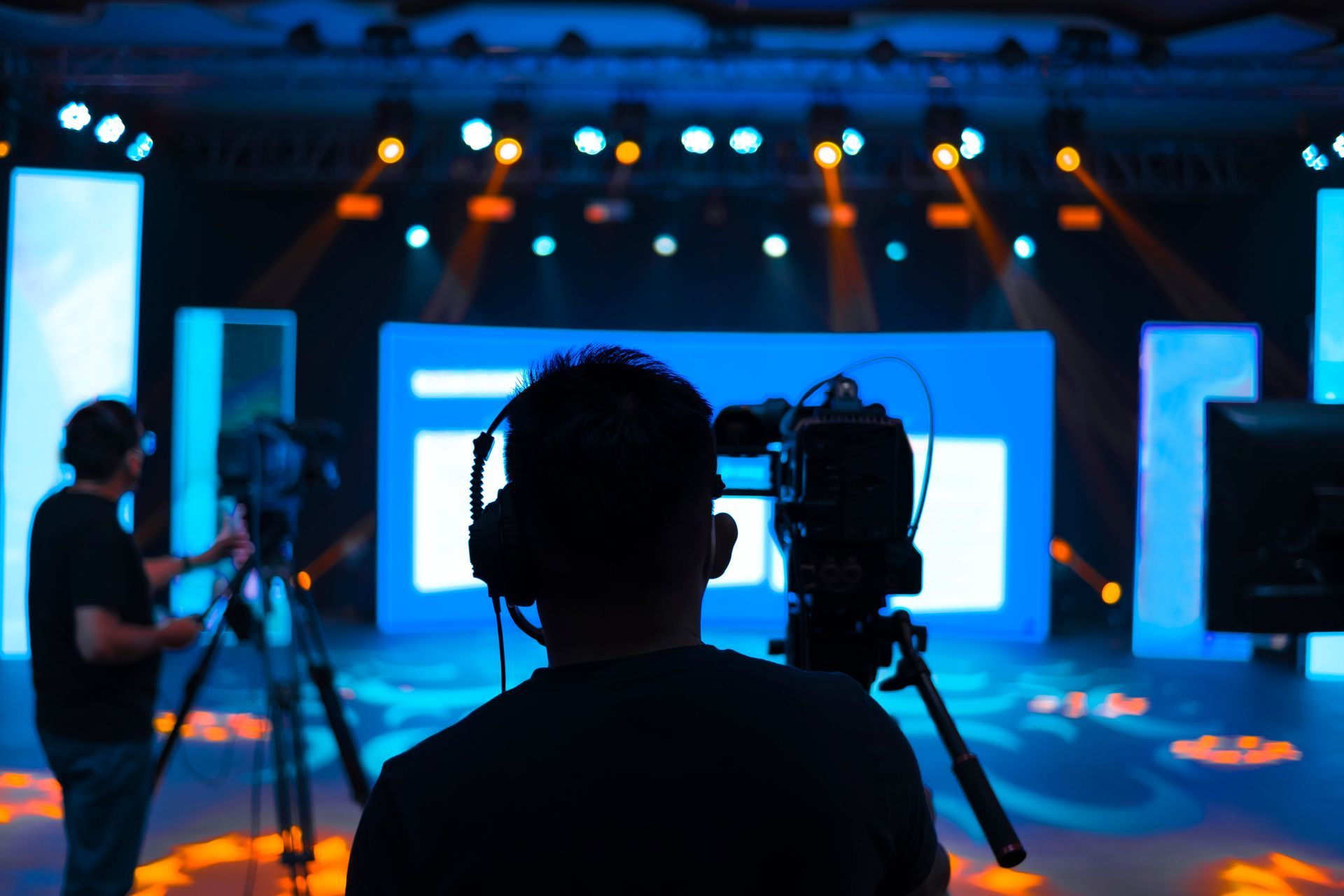
The ergonomic case for a 2-wide system centers on what happens when a Technical Director and an Audio Engineer, or a TD and a Replay Operator, or a TD and a Graphics Operator, need to work in parallel during a high-pressure live broadcast. Physical proximity matters. When two operators share a console, they communicate faster, catch each other's errors before they hit air, and coordinate transitions without relying on intercom alone. The exact crew configuration a 2-wide supports depends on the specific build, but the design intent is consistent: two operators working side-by-side with enough physical separation that neither is compromising the other's workspace. That separation also allows for larger multi-M/E switchers and more complex multi-camera live events signal routing than a 1-wide chassis can accommodate.
The 2-wide system also bridges a gap in the production landscape between portable single-operator units and full production trucks. It still fits in a standard cargo van and rolls through standard double doors without requiring freight coordination, but it supports the redundant signal paths, expanded I/O, and dedicated monitoring that regional sports broadcasts, mid-sized concerts, and major corporate conferences require. Productions at that scale cannot afford the single point of failure that comes with consolidating everything into one operator's hands, and the 2-wide chassis is specifically engineered to distribute that responsibility without distributing the system across multiple cases.
- Dual-operator console: Accommodates two crew members comfortably with dedicated workspace for each, improving coordination and reducing errors during live broadcasts.
- Expanded monitor wall: The wider chassis supports larger multi-viewers and dedicated preview monitors per operator position, giving each crew member the visual context they need.
- Enhanced signal routing: Supports more complex I/O configurations, larger switcher frames, and the redundant signal paths that professional side-by-side operators depend on.
- Standard double-door access: Designed to roll through standard double doors and fit standard freight elevators, keeping venue logistics straightforward.
The Three-Wide Flypack for Network-Grade Broadcasts
A 3-wide flypack is the nearest equivalent to a production truck that does not require a CDL to operate. The design intent is explicit: replicate the technical density and operational depth of a full broadcast control room in a chassis that can be transported to a venue, rolled into position, and deployed without the infrastructure commitment of a permanent installation. Network-grade broadcasts, including live sports, major entertainment specials, national news events, and large-scale corporate productions with complex graphics and replay workflows, are the natural habitat for a 3-wide system.
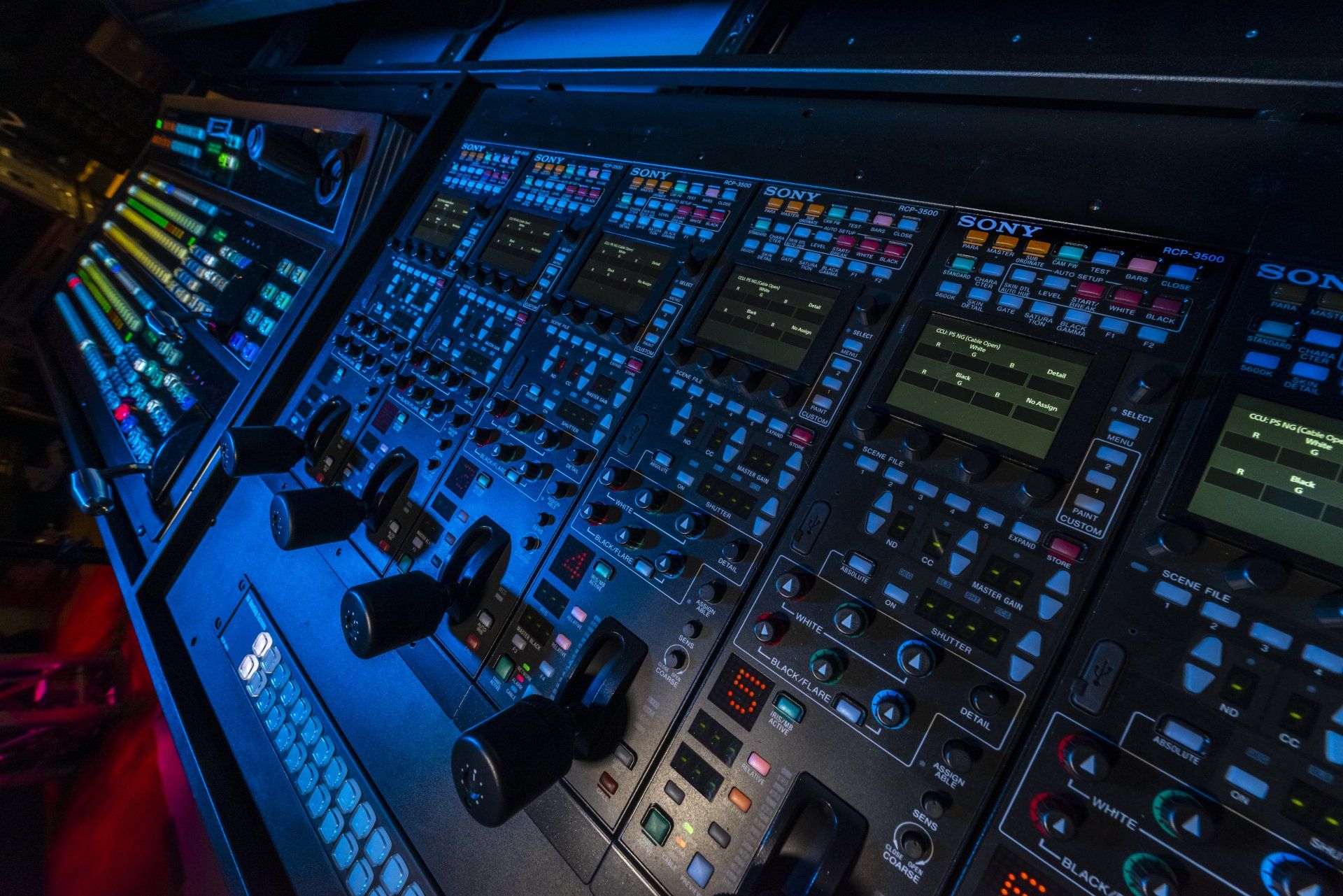
The technical density a 3-wide chassis accommodates is different from what fits in a 2-wide. Large multi-M/E switcher frames, dedicated replay servers, advanced graphics engines, and fully featured audio mixing consoles can all coexist in a single integrated system rather than being distributed across auxiliary racks that need to be interconnected on-site. That integration matters enormously for production truck replication in a flypack context: a pre-configured, pre-tested system deploys significantly faster than assembling the same components from scratch at a venue, and the signal paths are clean because they were engineered and verified before the system ever left the shop. The 3-wide configuration is also engineered for maximum redundancy, including dual power paths, redundant signal routing, and failover architectures, because the productions that require this chassis width are precisely the ones where going down on-air is not an option.
Three or more operators working side-by-side is the defining ergonomic feature of the 3-wide format. Collaboration requires space. A dedicated Replay Operator, a Graphics Operator, and a Producer can each occupy a defined workspace within the console while the Technical Director manages switching, all without the physical crowding that would make that arrangement unworkable in a narrower chassis. That spatial allocation is what allows a flypack to function as a genuine control room rather than a portable approximation of one.
Planning a network-grade production that requires a 3-wide system? Contact TV Pro Gear directly for a custom engineering assessment; call (818) 246-7100 to discuss your project requirements with our team.
Key Factors for Choosing Your Flypack Sizing
The right flypack chassis width aligns with your operational constraints: venue, crew, transport, and production complexity, rather than simply maximizing rack space. A 3-wide system deployed for a two-camera corporate webcast is an expensive liability. Scale must match need. A 1-wide system pressed into service for a 12-camera live sports broadcast is an operational failure waiting to happen. The goal is to self-select the configuration that fits the actual production, not an aspirational one.
- Crew Size and Ergonomics: Determine how many operators (TD, Audio, Replay, Graphics, Producer) must work simultaneously at the main console. That number drives the chassis width more directly than any other variable.
- Camera Input Capacity: Assess your required input density and whether your switcher frame fits within a 1-wide rack or needs the horizontal space of a 2-wide or 3-wide chassis to mount properly and cool effectively.
- Venue Access and Transport: Evaluate the full logistical chain: vehicle type, loading dock access, doorway widths, elevator interior dimensions, and any venue-specific restrictions on equipment size or weight.
- Future Scalability: Consider a modular design that can expand with auxiliary racks as your production requirements grow, allowing you to start with a narrower chassis and add capacity without rebuilding the core system.
Matching the system to the production is ultimately an investment in operational readiness. Andrew Maisner and the engineering team at TV Pro Gear work through every dimension of a client's requirements: assessing the production scope, engineering the signal architecture, testing the integrated system, and training the crew before the first live event. A custom flypack is a purpose-built ecosystem where every component, every signal path, and every operator position has been deliberately designed to function under sustained production pressure. That distinction is what separates a system that performs reliably across hundreds of events from one that works fine in the shop and causes problems on-site.
To help you navigate the technical nuances of flypack sizing, we've compiled answers to the most common questions our engineering team receives from production managers and technical directors evaluating their options.
Frequently Asked Questions About Flypack Sizing
What is the difference between a custom flypack and a DIY rack case?
A custom flypack from TV Pro Gear is a fully engineered, integrated, and pre-tested system. That means custom I/O panels designed for the specific signal paths your production requires, professional cooling engineered for the thermal load of the equipment inside, and built-in power distribution that is verified before the system ships. A DIY rack case is equipment bolted into a road case: the equipment may be identical, but the integration is not. Clean signal routing, reliable power, and rapid deployment all depend on how the system is built, not just what is inside it. The difference shows up most clearly under operational pressure, which is exactly when you cannot afford it to matter.
Can a 1-wide flypack be expanded to support more cameras in the future?
Yes, with the right engineering approach from the start. The physical console width of a 1-wide is fixed, but the system's capability does not have to be. Auxiliary racks, such as a dedicated replay rack, a graphics rack, or an expanded I/O frame, can be integrated alongside the main console to extend its reach without rebuilding the core chassis. High-density signal routing architectures also allow more camera inputs to be handled through the existing system without proportionally increasing the physical footprint. The key is designing for scalability at the outset rather than retrofitting it later, which is a conversation worth having with your integrator before the build begins.
How do crew requirements change between a 2-wide and a 3-wide system?
A 2-wide system is typically designed around dual-operator workflows, such as a Technical Director and an Audio Engineer, or a TD and a Replay Operator, depending on the production. The console width and monitor configuration are engineered to support two people working in parallel without compromising either operator's ergonomics. A 3-wide system expands that workspace to accommodate three or more operators simultaneously: a dedicated Replay Operator, a Graphics Operator, and a Producer can each occupy a defined position within the console while the TD manages switching. The practical implication is that productions requiring simultaneous management of complex replay, live graphics, and audio mixing (the workflow that characterizes network-grade live sports or major entertainment broadcasts) need the physical space a 3-wide provides to function without operators working on top of each other.
What are the physical transport constraints for a 3-wide flypack?
A 3-wide flypack is a substantial piece of equipment, and transport logistics require deliberate planning. Standard double doors are the minimum access requirement for most builds at this width. Multi-floor venues need a freight elevator with sufficient interior dimensions to accommodate the chassis, and loading dock access with a ramp-equipped vehicle or truck is typically necessary for safe movement. Specific dimensions and weights vary by build configuration and road case specification; any figure quoted without reference to the actual build spec should be treated as an estimate. The practical recommendation is to assess the full logistical chain at your venue before finalizing the chassis width, and to work with your integrator to confirm that the physical system can actually reach the position where it needs to operate.
How does TV Pro Gear support clients after the build is complete?
TV Pro Gear does not simply ship equipment and move on. Post-build support includes crew training and hands-on technical assistance to ensure your team is operationally ready before the first live event. The engineers who built the system are involved in that training, which means the people explaining the signal architecture and the failover procedures are the same people who designed them. That continuity matters for complex systems where the crew needs to understand not just how to operate the equipment but why it was configured the way it was, so they can troubleshoot intelligently under pressure rather than waiting for a support call.
Schedule an Assessment Today
Every flypack sizing decision carries downstream consequences that play out across dozens or hundreds of live events. A chassis that is too narrow for the crew creates operational friction that compounds over time. Ergonomics affect performance. One that is too large for the venue access constraints creates logistical problems that do not get easier with repetition. The right configuration, engineered to your actual production requirements, tested before it ships, and supported by people who understand both the technical and operational dimensions of live broadcast, is what makes the difference between a system that performs and one that merely functions.
TV Pro Gear's engineering team, led by Andrew Maisner, operates out of 710 N. Mariposa and works with production teams across every scale of live broadcast, from compact corporate webcasts to network-grade sports productions. The commitment at every build level is the same: a system designed to network specifications, tested to verify performance, and delivered with the crew training to back it up.
Schedule your custom flypack assessment today. Call TV Pro Gear at (818) 246-7100 to connect with the engineering team. Tell us your camera count, your crew size, your venue constraints, and your production timeline, and we will help you determine exactly which flypack configuration is built for the work you are doing.
Recent Posts